Oxygen8 - Mechanical Engineering Intern
June 2026 - Aug 2026 | Vancouver, Canada
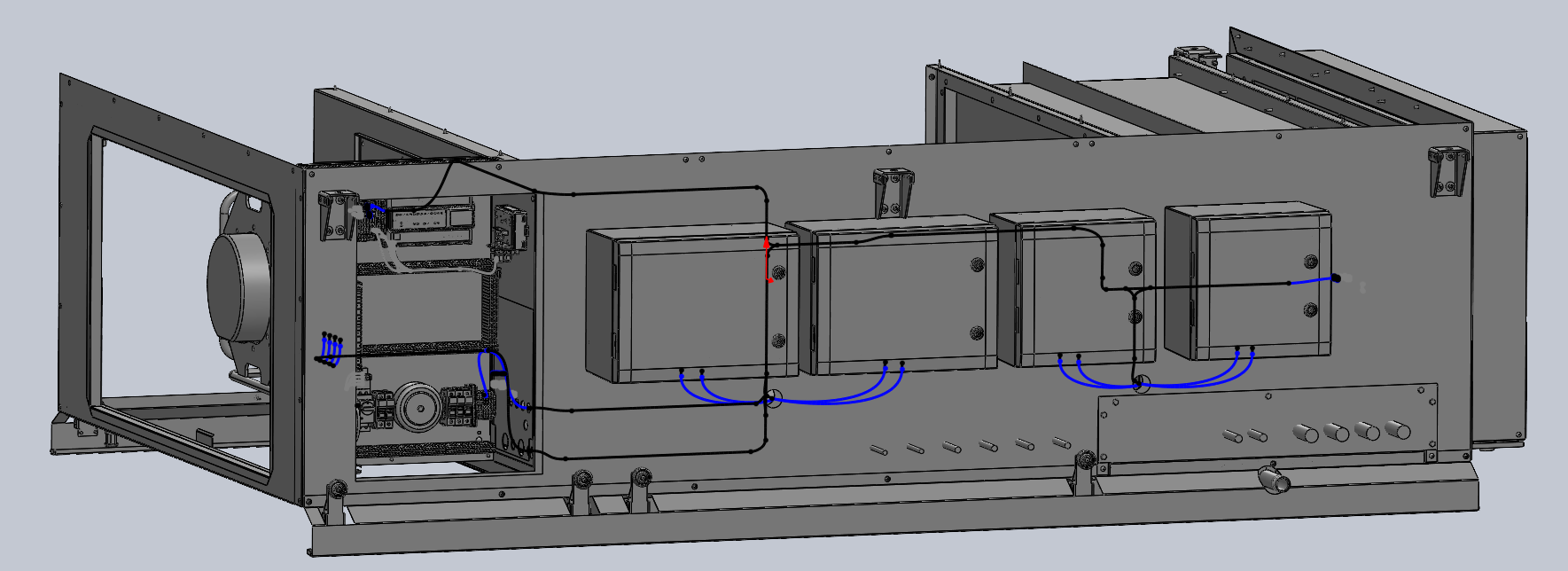
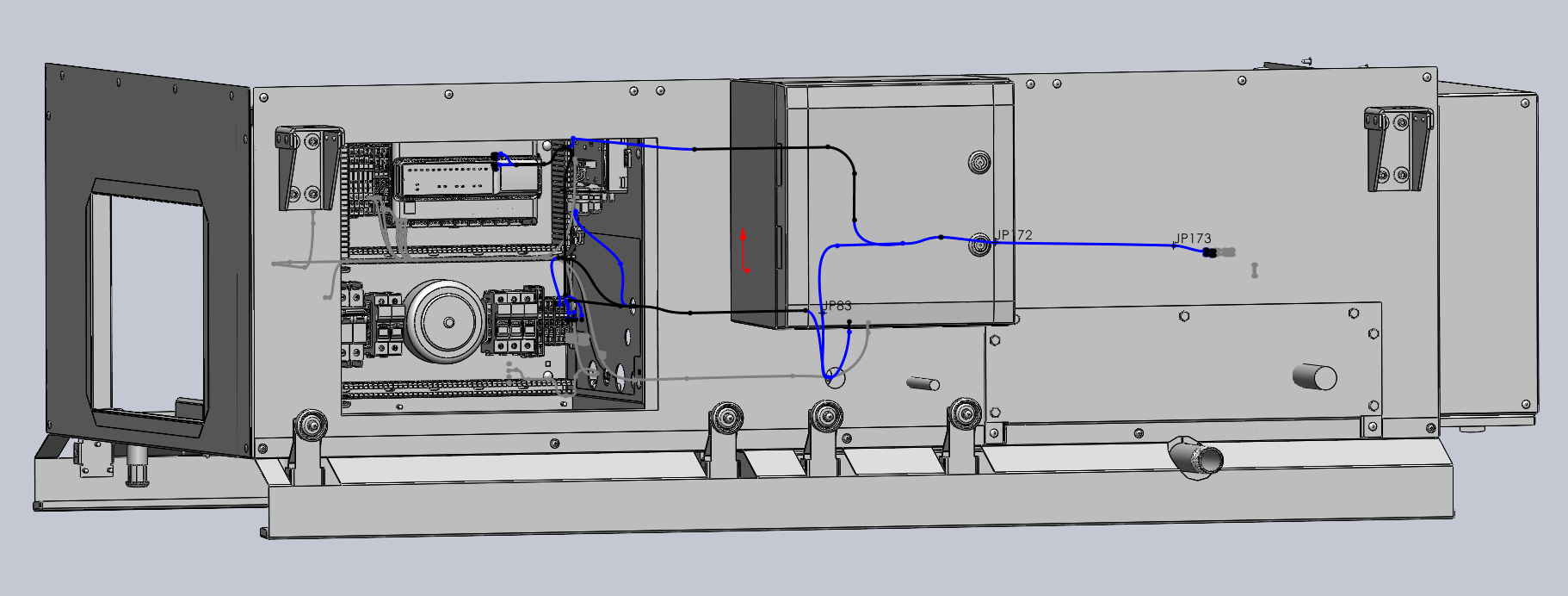
I returned to Oxygen8 for a second work term, this time tasked with creating the wiring harness for their TERRA H C 2.0 HVAC systems. I optimized electrical routing paths to cut down on wasted MODBUS cable and standardized those routing paths across the harness. I also created BOMs and work instructions to reduce assembly time and wire waste, and 3D modelled the harness routes in SolidWorks Electrical (PDM) for the most efficient assembly process.
A key part of this work was tolerancing routes to fixed increments: 12 inches for SOOW cables and 24 inches for MODBUS cables. This cut down the number of unique part numbers in the BOMs and applied lean manufacturing principles to the harness. The difference in increments comes down to cable stiffness. SOOW cable is much stiffer, so excess slack is hard to bundle and manage. MODBUS cable is far more flexible, so it can use larger increments while still handling excess length well. On the TERRA H C 1.0 harness I built the previous year, I toleranced to 3-inch increments and grouped cable lengths within 5 inches. Compared to that approach, this new method cut the number of unique part numbers in the BOMs by over 60%. It's also estimated to reduce wiring labor by more than 50% and bring MODBUS cable waste down from 50% to 15%.
Alongside the harness work, I created over 70 control box models and drawings for the TERRA H C 2.0. These were based on electrical specifications, government requirements, and rough draft drawings from the electrical engineering team. I also updated the BOMs for accuracy and standardized special part numbers for regular manufacturing. This was critical because production workers previously had no set drawings or models to build the control boxes from, and relied on experience and memory alone. The new models also specify pre-cut mounting holes on the sheet metal parts, removing the need to position components with jigs and drill holes by hand. That change alone is estimated to reduce assembly labor per control box by roughly 30%.
I also worked closely with the manufacturing engineering team to update sheet metal parts for the production floor and design a new placement jig for the Ventum H control boxes. Part of this meant meeting regularly with the production electrical team to hear the challenges they were facing with specific parts and sheet metals. I took that feedback and updated models, which were then sent out for manufacturing.
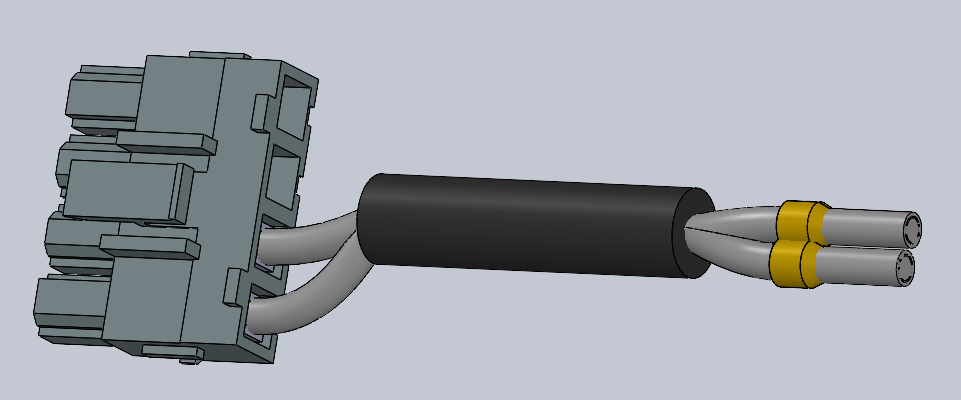
Lastly, I updated and created new wiring diagrams and 3D models for new configurations added to the wiring BOMs. These diagrams were critical for the electrical assembly team: they substantially increased first-pass yield and left less room for error when wiring quick connects.